
Mache digitales besser.
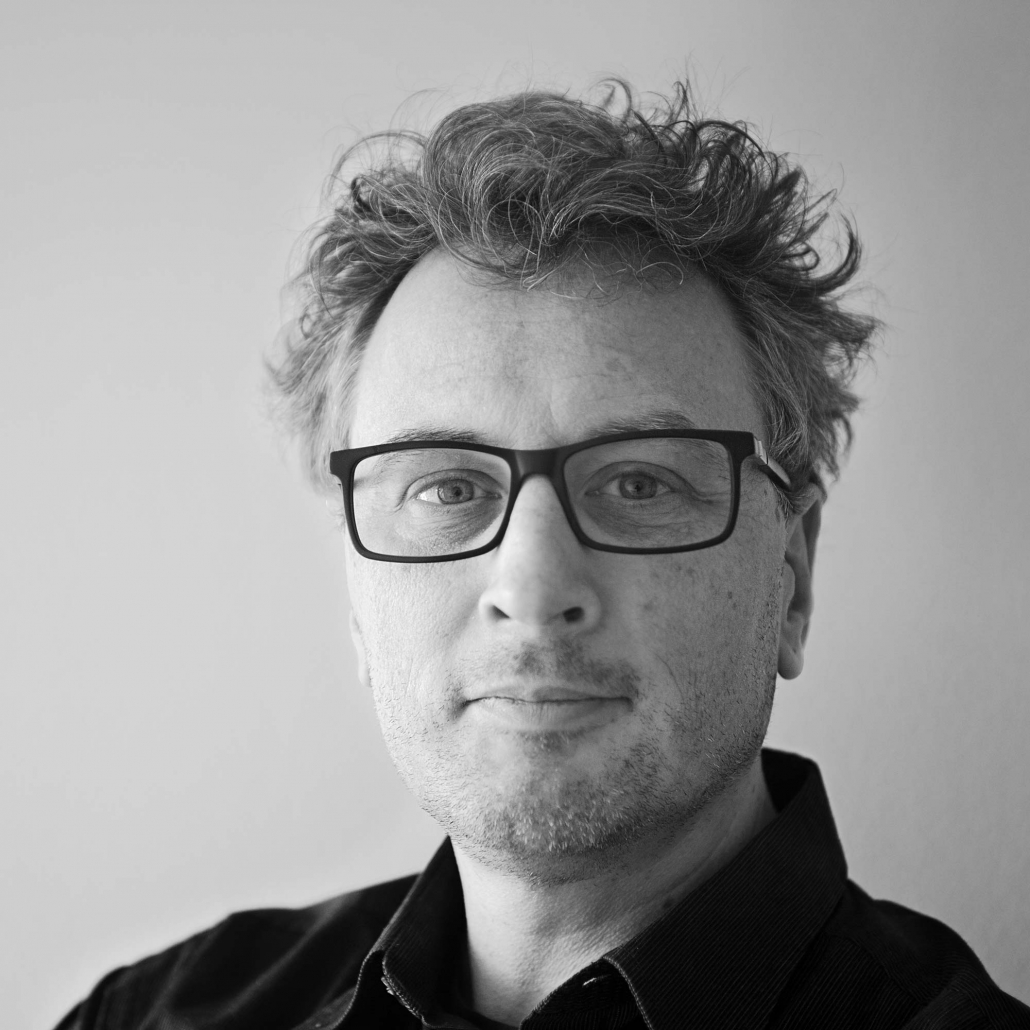
Wieland Kloimstein
User Experience Designer in Wien
Wieland Kloimstein
1973 geboren in Linz, Lehrberuf Fotograf. Über die Fotografie zum Mediendesign.
15 Jahre Erfahrung
Arbeitet als User Experience Designer in Wien und liebt Barcamps und UX-Meetups.
Profil
#Konzeption #Servicedesign #User Experience Design / mit dem Fokus Webservices und Apps #Schulung #Training
Besonderheit: Abstraktes Visualisieren – User Experience lebensnah, spürbar und verstehbar machen.
Zertifizierungen
UXQB® Certified Professional for Usability and User Experience
Foundation Level (CPUX-F)
UXQB® Certified Professional for Usability and User Experience – Usability Testing and Evaluation (CPUX-UT)
Fachtrainer nach dem international gültigen Zertifizierungsverfahren der ISO 17024
User Experience Design
in 7 Schritten – kurz erklärt
„So wie ein Architekt dafür Sorge trägt, dass alle Handwerker zusammen ein Haus im Sinne der Auftraggeber bauen, so lässt sich auch für digitale Services die User Experience planen“.
1 | Starten Sie auf einer soliden Basis
Mit einer Recherche und Analyse kennen Sie und Ihr Team umfassend die Chancen und Anforderungen.
2 | Kreation
Rasch wird Ihre Idee sichtbar: durch leichtgewichtige Skizzen und detailliertere Wireframes.
3 | Evaluierungen geben Sicherheit
Evaluierungen sorgen dafür, dass Ihr Service begeistert und einfach funktioniert. Viele Probleme können schon behoben werden bevor sie entstehen.
4 | Erleben Sie Ihr Angebot von Morgen
Mit einem klickbaren Prototypen können Sie erleben, wie sich Ihr Angebot schon jetzt anfühlt.
5 | Bringen Sie Ihre Vision in die Welt
Durch die Evaluierungberichte sind Sie über die Qualität der Umsetzung laufenden informiert. Am Schluß bringt Ihnen ein Abnahmetest die Sicherheit, dass die Anforderungen erfüllt werden.
6 | Die App oder Webseite läuft
Das Feedback von User*innen und Kennzahlen hilft Ihnen, neue Chancen zu erkennen und strategische Weiterentwicklungen im Auge zu behalten.
7 | Ihr nächster Level
Nutzen Sie den User Experience Design Erfahrungstransfer für Ihr nächstes Projekt.
Wieland Kloimstein
- bringt radikal die Nutzer*innensicht
- stellt grundlegende und kritische Fragen
- Entwickelt neue frische Lösungen
- Kontrolliert laufende Projekte im Sinne der Ziele
- Integriert UX in den Entwicklungsprozess
- Hilft mit ein internes Know How aufzubauen
Schöne Dinge
Wieland Kloimstein – auch abseits vom User Experience Design.
wieland.cc: Die Foto-Webseite läuft seit 2002 und wurde zuletzt in Desktopzeiten überarbeitet und schlummert seit dem etwas dahin. Für mich ein historisches Dokument.
Foto-Ausstellung: Vienna Trash im Hofmobiliendepot • Möbelmuseum, Wien, 2014
Foto-Ausstellung: Licht-Bild im West 46 in Wien und der Photobastei in Zürich, 2014
Interaktionsdesign & Farbe: The GoGoColor Design has been developed to adapt the choice of a color to human perception, and it looks good, too. 2013
Interaktionsdesign & Politik: Livestream fürs Parlament, eine Prezi-Präsentation. Überblick, Lösungsvorschläge und eine Recherche als Bürgerjournalist zum Thema „Medien und ihr Platz im Parlament“. Linuxwochen Wien 2013.
Interaktionsdesign & Netzpolitik: Wie ein Netze-Netz das Web-Ökosystem bereichern könnte. Über die notwendige Kontrolle über unserere Arbeitsmittel, dem gesunden Web-Ökosystem und eine mögliche Alternative. Eine Präsentation als One-Slide-Show / Zooming user interface Experiment, 2010
Kontakt
Ausgebucht
Aktuell keine neue Beauftragung
Aktuell biete ich keinen User Experience Design Service und keine User Experience Trainings- oder Workshops als Agentur an. Ich arbeite neben meiner Teilzeit-Anstellung aktuell nur für bestehende Kunden.
Falls Sie mir einfach „Hallo“ sagen wollen oder eine Frage haben – schreiben Sie mir: wieland@wieland-kloimstein.com